The Rise of Gen Alpha in 2026
ㅤ
How the youngest consumer generation is shaping markets, media, and meaning
We’ve become fluent in the language of generational marketing, understanding Boomers, Gen X, Millennials, and Gen Z in terms of behaviours, expectations, and the best ways organisations can connect with them.
But as we settle into 2026, a new cohort is moving into influence. Generation Alpha, born between 2010 and 2024, are not only entering the teen years but beginning to make economic and cultural impact. In 2026, the oldest Gen Alphas will turn 16. They’re opening bank accounts, making purchases, influencing family spending, and already shaping entire categories of consumption. But you’d be wrong to assume they’re simply “mini-Gen Zs”. Their formative years have been shaped by a unique mix of digital immersion, post-pandemic experiences and hyper-connected social environments that make them unique to any other cohort.
In this article, we explore how Gen Alpha differs from other generations, unpack what the data says about their behaviours and expectations, and highlight what marketers and communicators should know to connect with them meaningfully and strategically.
ㅤ
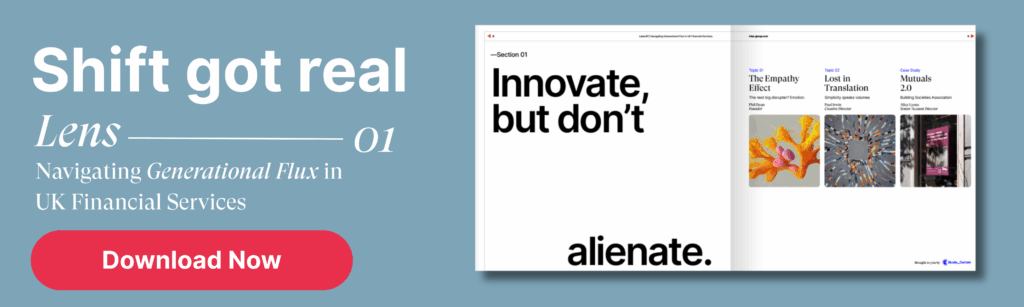
Navigating generational flux?
Our whitepaper, Shift Got Real, explores the evolving expectations of UK consumers from Baby Boomers to Gen Z, with actionable strategies to connect with them meaningfully.
ㅤ
Gen Alpha: A Distinct Consumer Cohort
Gen Alpha’s consumer footprint is already noticeable. In the U.S. alone, children as young as 8–14 are reported to influence around 42% of total household spending, equating to over $100 billion in direct spending power, [DKC Analytics (2025)] mostly through decisions about food, entertainment and digital media subscriptions, and 91% are actively earning money through chores, online activity, or other small jobs.
In the UK, Attest research finds that 94% of teens aged 15–16 have some form of savings, with 51% holding more than £1,000 and 11% sitting on over £10,000, including funds in trust. Nearly half hold traditional bank accounts, and 37% use digital banking products. This level of financial activity at relatively young ages proves how quickly this generation is becoming economically sophisticated, and why businesses need to adapt to them.
ㅤ
Redefining Digital Balance
Gen Alpha’s media and consumption habits reflect a generation raised in a world where screens are the primary interface with information, entertainment, and social life. In the UK, 93% of Gen Alpha teens engage in gaming daily, and 39% spend over three hours a day gaming, surpassing TV and audio consumption, a significant shift from previous youth cohorts. [Ofcom. 2024]
Across markets, research shows that gaming isn’t just passive entertainment. For Gen Alpha, gaming spaces are social hubs where friendships form, group chats start, and even early dating happens. Mario Party-style multiplayer experiences have seen an engagement rise of around 11% since 2021, blurring the line between digital and physical social activity. [Newzoo, 2023]

But Gen Alpha don’t always live online. Even as they are “digital first,” there’s evidence that this generation is recalibrating its relationship with screens. Post-pandemic tracking shows a gentle decline in overall device time as many teens take deliberate breaks, with 40% of 12–15-year-olds saying they take breaks from their devices, and a rise in offline behaviours like board gaming and physical toys. [Ofcom. 2024]
This balanced digital-offline mosaic matters because it challenges the stereotype that Gen Alpha is tech-addicted; instead, they’re navigating digital life with nuance and, in many cases, more parental guidance than ever before.
ㅤ
Beyond the Screen: In-Person and Experiential Preferences
Despite their deep engagement with technology, Gen Alpha still values real-world experiences. Research from retail and travel sectors indicates a strong preference for in-store shopping experiences, driven by hands-on exploration and social interaction with family, particularly in beauty and lifestyle categories.
This preference extends to broader family decisions too. A Hilton travel survey found that 70% of parents with Gen Alpha kids let them significantly influence travel choices, from destinations to dining spots, reflecting not just consumption power but decision-making clout.
ㅤ
How Gen Alpha Differs from Gen Z
It’s natural to assume that Gen Alpha will simply follow Gen Z, but emerging data suggests important contrasts:
- Media habits: Whereas Gen Z grew up with social media platforms like TikTok and Instagram as identity stages, Gen Alpha is more likely to spend sustained time in interactive gaming worlds where play, communication and consumption converge.
- Social media usage: Gen Alpha tends to use social media more for staying in touch with friends than for self-expression and performance.
- Educational preferences: Interactive, gamified learning tools and AI-enhanced educational content are more appealing to Gen Alpha than traditional textbooks.
- Brand interaction: They expect hyper-personalised, immersive brand experiences rather than the relatable, “authentic” messaging prized by Gen Z.
These differences stem partly from their upbringing: Gen Alpha is the first cohort to have had widespread access to tablets, AI tools and cross-device connectivity from early childhood.
ㅤ
What This Means for Marketers
For communicators and brands, Gen Alpha presents both challenges and opportunities:
- Think beyond parents: While many marketing strategies historically “target kids through parents,” Gen Alpha’s financial agency and influence means brands must address the generation directly where appropriate, especially in digital spaces like gaming and interactive content hubs.
- Leverage immersive experiences: Static ads and traditional social content may fall flat; interactive branded experiences, whether in-game, in-app, or in community platforms, are more likely to resonate.
- Balance digital with real-world value: Positioning products as enablers of offline experiences and social connection will be vital, especially as this generation shows interest in exploration and breaks from screens.
ㅤ
Preparing for Impact: Gen Alpha’s Influence
As the oldest Gen Alphas enter mid-teens and begin forging adult consumer behaviours, their influence on spending, culture and brand expectations will only grow. This is a generation that experienced early digital fluency, pandemic disruption during critical developmental years, and parenting styles steeped in mindfulness and wellbeing, all of which shape their worldview, expectations and economic behaviours.
If brands want to understand Gen Alpha, they’ll need to stop projecting old narratives onto a new audience. That means moving beyond stereotypes and recognising the distinct experiences and preferences that will shape markets for decades. Strategies grounded in data, and shaped by the realities of this generation, will be key to earning their attention, trust and loyalty.
ㅤ
Stay Connected
Start innovating
Your contact details
